

Originally published: December 2025
People often use the words asbestos, mesothelioma, and lung cancer as if they’re interchangeable.
They’re not. Asbestos is a group of naturally occurring mineral fibers; when fibers are inhaled, they can lodge in the lungs and contribute to serious disease over time.
Mesothelioma and lung cancer are two separate diseases that asbestos can trigger.
Understanding the distinction among these three is essential to your legal claim. It shapes what compensation may be available, what evidence affects value, and which companies may be implicated based on exposure history.
Mesothelioma is rare—2,669 U.S. cases were reported in 2022—while lung cancer is far more common, with about 226,650 new U.S. cases projected in 2025.
Most people don’t realize that asbestos exposure can cause lung cancer even without causing mesothelioma.
Each disease begins in a different part of the body and requires different evidence for legal claims. If you get the facts straight early, your family can avoid delays and pursue the correct legal path.
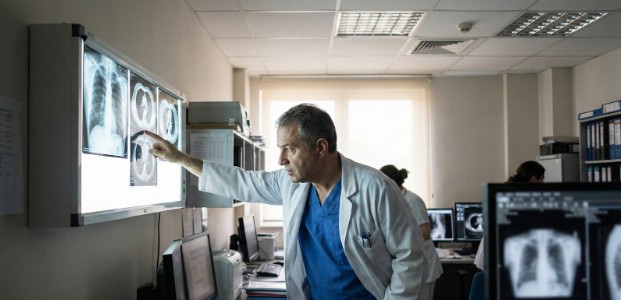
People mix up these three terms all the time, but they’re not the same at all. Asbestos is a natural mineral fiber that companies have used in buildings and products for decades.
Asbestos itself isn’t a disease. It’s a toxic substance that causes serious health problems when you breathe in the fibers.
Mesothelioma is a cancer that grows in the thin tissue lining around organs. It typically affects the outer lining of the lungs but may also involve the abdomen or heart.
Mesothelioma is strongly associated with asbestos exposure, which is a major, well-documented risk factor.
Lung cancer differs in that it originates in lung tissue rather than in the lining. Smoking is the top cause of lung cancer, but asbestos exposure also ramps up your risk.
| Term | What it is | Where it starts | Why does it get confused |
| Asbestos | Carcinogenic mineral fibers (hazard/exposure) | Inhaled/ingested fibers lodge in tissue | People say “I have asbestos” instead of naming the disease (National Cancer Institute) |
| Mesothelioma | Cancer of the mesothelium | Pleura (most common) or peritoneum, etc. | Often called “the asbestos cancer” (Cancer.org) |
| Lung cancer | Cancer of the lung tissue/airways | Inside the lungs | Has many causes; asbestos is one risk factor (National Cancer Institute) |
Both conditions share many symptoms, including shortness of breath, weight loss, fatigue, and cough. Mesothelioma often causes fluid buildup around the lungs, which leads to breathing problems.
Lung cancer usually involves a cough that won’t go away, and sometimes you cough up blood. Symptoms can overlap, so distinguishing the two typically relies on imaging plus definitive pathology showing where the cancer started.
Doctors treat these cancers differently. Getting the right diagnosis matters for both your health and your legal claim.
Third Coast Lawyers help families make sense of asbestos exposure, diagnoses, and next steps before time slips away—start with a confidential conversation. Contact us.
If you’re ready to get started, call us now!
When you breathe in asbestos fibers, they get trapped in lung tissue and the mesothelium. Over time, these fibers cause damage that accumulates. Some inhaled fibers can lodge deep in the lungs and may persist for many years, which helps explain delayed disease patterns.
If someone inhales asbestos fibers, the tiny particles penetrate deep into the lungs. They get stuck in the linings of the lungs and other organs.
The body tries to eliminate them, but asbestos just won’t break down. This triggers slow, ongoing inflammation and scarring for years.
The mesothelium—the thin tissue covering the lungs and other organs—gets damaged little by little. Symptoms from asbestos exposure often take decades to show up because the harm creeps in so gradually.
Most people don’t notice symptoms until 20 to 40 years after their first exposure. Some diseases, like mesothelioma, take even longer.
The scarring process continues quietly, which is why people who worked in construction, shipyards, or with insulation might feel well for decades before getting sick.
Pleural thickening and other lung changes develop without apparent problems initially. By the time you have trouble breathing or feel chest pain, the damage is usually pretty severe.
Many studies show that smoking and asbestos exposure together are especially hazardous for lung cancer risk, and there is evidence that quitting smoking reduces risk among asbestos-exposed workers.
Smoking and asbestos exposure together raise lung cancer risk substantially, and quitting smoking helps reduce lung cancer risk in asbestos-exposed workers.
Workers who handled insulation or other asbestos products and smoked often get lung problems earlier than non-smokers with the same exposure.

Mesothelioma and lung cancer grow in different spots and affect different tissues. That’s why physicians need specific tests to distinguish them.
The spot where cancer starts determines which tests work best and what pathologists look for in the lab.
Mesothelioma grows in the lining around organs—not inside the organs. Pleural mesothelioma starts in the pleura, the tissue covering the lungs. Peritoneal mesothelioma begins in the lining of the abdomen. There’s also a rare kind that affects the heart’s lining.
Lung cancer develops within the lung tissue. The two main types are non-small cell and small cell lung cancer. Non-small cell lung cancer includes adenocarcinoma and squamous cell carcinoma.
Medical records will show where biopsies found cancer cells. In mesothelioma, pathology reports typically state epithelioid mesothelioma or another cell type. For lung cancer, reports point out whether tumors form in the airways or the lung tissue.
Key diagnostic differences:
The mesothelioma diagnosis process requires doctors to examine tissue from the pleura or peritoneum. In lung cancer, the focus is on lung tissue.
Yes, asbestos exposure can cause lung cancer even if you never get mesothelioma. They’re two different diseases that happen in different places and look different under a microscope.
Asbestos-related lung cancer develops when fibers become lodged in lung tissue. Mesothelioma happens when those fibers end up in the lining around the lungs.
Understanding the difference between asbestos lung cancer and mesothelioma really matters if you’re filing for compensation. Workers exposed to asbestos face different risks depending on how much and how long they were exposed.
Asbestos exposure increases lung cancer risk, and the magnitude depends on exposure intensity and other factors (including smoking). Because asbestos-related diseases can manifest decades later, accurate documentation of work history is essential.
When inhaled, asbestos fibers may become trapped in the lungs and remain for extended periods, contributing to scarring and inflammation.
If you’re claiming asbestos lung cancer, you’ll need clear documentation connecting the cancer to your workplace exposure.
That’s trickier than mesothelioma claims because lung cancer has other possible causes, like smoking or pollution. Medical records must show asbestos played a big role in causing the disease.
Key factors for proving causation:
If medical records, exposure history, and deadlines feel overwhelming, a focused review with Third Coast Lawyers can bring clarity and direction. Schedule an appointment today.
If you’re ready to get started, call us now!
Your diagnosis directly shapes your legal options and what compensation you might get. Mesothelioma cases usually have different proof requirements than lung cancer claims. Survival rates also affect how fast you need to act.
Mesothelioma has a much stronger legal tie to asbestos than lung cancer. Mesothelioma is strongly associated with asbestos exposure, so disputes often focus more on where exposure occurred, which defendants are responsible, and documented damages.
Lung cancer, on the other hand, can come from all sorts of things—smoking, radon, or just environmental stuff.
So, proving you actually got exposed to asbestos takes more medical evidence and paperwork. You have to show asbestos played a real part in causing your illness.
Prognosis varies widely by stage and treatment; NCI reports a median survival of around 16 months for malignant pleural disease in some series, with shorter survival reported in extensive disease.
These differences between mesothelioma and lung cancer can affect how fast you need to file a claim, or if your family might need to finish the process after you’re gone.
Documentation requirements change based on diagnosis:
| Mesothelioma Claims | Lung Cancer Claims |
| Medical records showing cell type | Smoking history documentation |
| Work history with asbestos exposure | Proof of significant asbestos exposure |
| Pathology reports | Medical records ruling out other causes |
Companies can be held liable for asbestos exposure when they didn’t warn workers or sold faulty products. Your diagnosis decides which companies might be responsible and how much proof you’ll need to show.
If you want a strong claim, you need medical records showing your diagnosis and proof of when and where you were exposed to asbestos. Miss either one, and your case takes a real hit.
Medical records documenting diagnosis are the backbone of any asbestos claim. A biopsy report confirming mesothelioma or lung cancer isn’t just helpful—it’s required.
Imaging tests tell the story. Usually, it starts with a chest x-ray spotting something odd, then CT scans showing exactly where and how big the tumor is. PET scans and MRIs can help tell mesothelioma and lung cancer apart.
Pathology reports must specify the cancer type and the cells’ morphology. If it’s lung cancer, sputum cytology or bronchoscopy results showing cellular changes are important. For mesothelioma, needle biopsy findings that confirm involvement of mesothelial cells are required.
Treatment records indicate the severity of the situation. Notes on chemotherapy drugs such as pemetrexed and cisplatin, radiation therapy sessions, immunotherapy, or targeted therapy are helpful. Records showing if doctors tried to cure you or just make you comfortable also matter.
Medical experts look over these records to connect your diagnosis to asbestos. Radiologists, pathologists, oncologists—they all weigh in to show how your disease matches what asbestos does to the body.
Work history documentation tells where and when you got exposed. Things like employment records, pay stubs, union cards, or job site logs put you in the right place at the right time.
Witness statements from coworkers who recall asbestos on the job strengthen your case. Supervisors, colleagues, and even family who saw you bring home dusty work clothes—they all help.
Details about the actual products matter more than just saying “I worked around asbestos.” Name brands of insulation, manufacturers of brake pads, types of building materials—those specifics are gold. Photos of job sites, equipment, or products? Even better.
Veterans can use military records in much the same way. Ship assignments, job classifications, or base locations where asbestos was used create a timeline. Service records showing you worked in engine rooms, construction, or maintenance help confirm it.
If you got exposed secondhand, you’ll need proof you lived with or handled clothes from someone who worked with asbestos. Laundry receipts, family stories, or paperwork showing you were around contaminated clothes can help your case.
Don’t guess—collect the records that prove diagnosis and exposure, then build a one-page timeline you can reuse across benefits, trust claims, and litigation conversations.
Start by requesting all your medical records—think pathology reports, imaging results, the whole stack. Instead of sticking with a general oncologist, consult a mesothelioma specialist for the latest treatment options.
Jot down every job, home, or building where you might’ve run into asbestos. Try to remember dates and any specific products you handled—details matter, even if they’re fuzzy.
Look into asbestos trust fund claims and see if VA benefits apply to you. If you’re a veteran who was exposed during service, you may be eligible for VA benefits and compensation.
Pick up the phone and call two or three asbestos attorneys for free consultations. They’ll walk you through wrongful death claims for families and help you figure out which trust funds might fit your situation.
Contact the American Cancer Society to find local support groups or practical help programs. Schedule at least one follow-up with your medical team or legal rep—just to keep things moving forward.
When a diagnosis turns your life upside down, you deserve clear answers and real support—get a straightforward plan that protects your claim with Third Coast Lawyers. Contact us.
Is asbestos a disease or a substance?
Asbestos is a group of naturally occurring mineral fibers used in many older products. It isn’t a disease. Harm occurs when fibers are inhaled or swallowed and lodge in tissues, increasing the risk of cancer and scarring diseases.
Is mesothelioma the same as lung cancer?
No. Mesothelioma arises in the mesothelium, the lining of organs (often the lung), whereas lung cancer originates in lung tissue or the airways. Pathology reports and imaging help doctors confirm the origin of the cancer.
Can asbestos cause lung cancer without mesothelioma?
Yes. Asbestos exposure can raise lung cancer risk even if mesothelioma never develops. For claims, lung cancer often requires more causation documentation because it has multiple risk factors, including smoking and radon.
Does smoking make asbestos-related lung cancer risk worse? Does it affect mesothelioma?
Smoking and asbestos together are particularly hazardous: lung cancer risk is greater than the separate risks added together. Evidence also suggests quitting smoking reduces lung cancer risk among asbestos-exposed workers. Smoking does not appear to increase mesothelioma risk. Cancer.gov
How long after asbestos exposure can cancer appear?
Asbestos-related diseases often have long latency periods. Mesothelioma can develop decades after initial exposure, and studies report latency periods that commonly span multiple decades. Because records fade over time, documenting jobsites, products, and dates early can protect claim options. PMC
What medical records matter most for mesothelioma vs lung cancer claims?
The core proof is definitive pathology showing cancer type and where it began, supported by imaging and treatment records. Mesothelioma claims typically hinge on mesothelial cell findings, while lung cancer claims may also address other causes and smoking history.
Why does the diagnosis change which companies or trust funds apply to?
Diagnosis affects eligibility criteria, damages, and the evaluation of causation. Mesothelioma is closely tied to asbestos exposure, while lung cancer claims may face more causation disputes. In both, exposure evidence determines which employers, products, and trusts are relevant.
